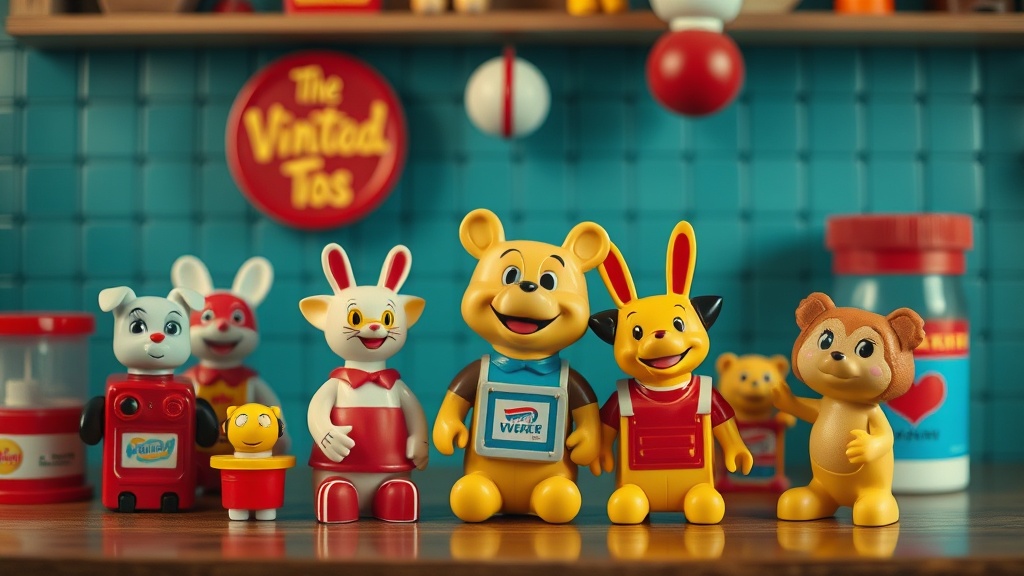
Preserving Childhood Memories: Displaying and Caring for Vintage Happy Meal Toys

Do your cherished vintage Happy Meal toys deserve a brighter, longer future?
Many of us hold onto these small plastic treasures not just for their inherent—and often surprising—monetary value, but for the potent nostalgia they evoke. Yet, without proper care, these pieces of pop culture history can degrade, losing their vibrant colors, becoming brittle, or worse, turning into a sticky mess. This guide explores effective strategies for both displaying and storing your vintage Happy Meal toy collection, ensuring they remain in pristine condition for years to come. We'll cover everything from safe cleaning techniques to environmental controls, helping you maintain their aesthetic appeal and protect your investment in these delightful artifacts.
How can I best display my vintage Happy Meal toys without damaging them?
Displaying your collection is half the fun of collecting, but it's crucial to do so in a way that doesn't inadvertently harm your items. The biggest enemy of vintage plastic is often UV light. Direct sunlight—or even prolonged exposure to strong indoor lighting—can cause colors to fade dramatically, plastic to yellow, and eventually become brittle. Think of those sun-bleached action figures you might've seen; that's exactly what you want to avoid.
When choosing a display location, opt for areas away from windows or direct light sources. If that's not possible, consider display cases made with UV-filtering acrylic. These cases offer a layer of protection without obscuring your view. There are many options available, from wall-mounted shelves to countertop cabinets, all designed to keep dust at bay and provide a stable environment.
Individual stands can also elevate your display, literally. They help pose figures dynamically and prevent them from rubbing against each other, which can lead to paint rub or surface scratches over time. For toys that came in their original packaging, displaying them in their sealed state within a clear, archival-safe protector box is ideal. This not only preserves the toy but also the packaging, which significantly adds to its value.
Environmental control also plays a key role. Extreme fluctuations in temperature and humidity can stress plastic, leading to warping or cracking. Aim for a stable, moderate environment—around 60-70°F (15-21°C) with relative humidity below 50% is generally recommended for most collectibles. This means avoiding attics, basements, and garages, which are notorious for their unstable conditions.
What are the most common risks to vintage toy collections?
Beyond light and environmental shifts, several other factors can threaten the integrity of your vintage Happy Meal toys. Understanding these risks is the first step toward mitigating them.
- Plasticizer Migration: This is a common issue, particularly with toys made from certain types of PVC. Plasticizers are chemicals added to plastic to make it flexible. Over time, these chemicals can leach out, causing the toy's surface to become sticky or greasy. This process can attract dust and grime, making the toy difficult to handle and potentially damaging its paint. Proper ventilation is key to slowing this process, as trapped gases can accelerate it.
- Brittleness and Cracking: As plastics age, they can lose their flexibility and become brittle. This is exacerbated by UV exposure, extreme temperatures, and improper handling. A toy that was once pliable might now snap if bent even slightly, leading to irreversible damage.
- Dust and Grime Accumulation: Even in relatively clean environments, dust will settle. Over years, this dust can embed itself into textured surfaces or react with the plastic, creating stubborn stains. It also just makes your display look less appealing.
- Chemical Degradation: Using the wrong cleaning products or storing toys with incompatible materials can cause severe damage. Solvents can dissolve plastic or strip paint, while acidic materials (like newspaper or non-archival cardboard) can off-gas chemicals that attack the plastic.
- Pest Infestation: While less common for plastic toys than for paper or fabric collectibles, certain pests can still be an issue. Dust mites or other insects might find crevices to hide in, and their waste can stain surfaces.
Addressing these risks requires a proactive approach, combining careful display choices with regular maintenance and appropriate storage solutions. For high-value or particularly delicate items, investing in museum-grade archival supplies, like those from